
There was a time when cabover trucks were everywhere.
From the 1960s into the early 1980s, they hauled freight across the Interstate Highway System, lined truck stop parking lots, and filled dealership inventories. Nearly every major truck manufacturer built cabover models because they solved one of the industry’s biggest challenges at the time: fitting as much trailer as possible within legal length limits.
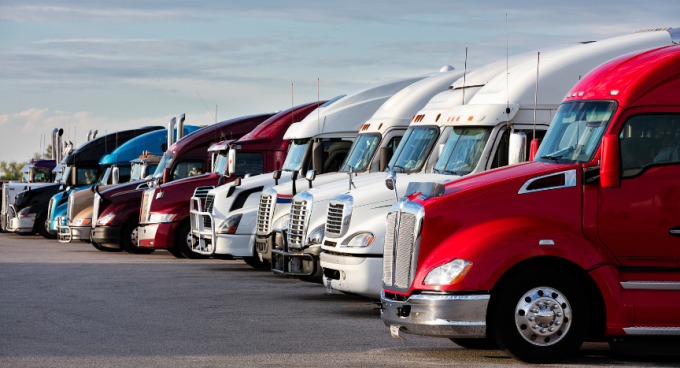
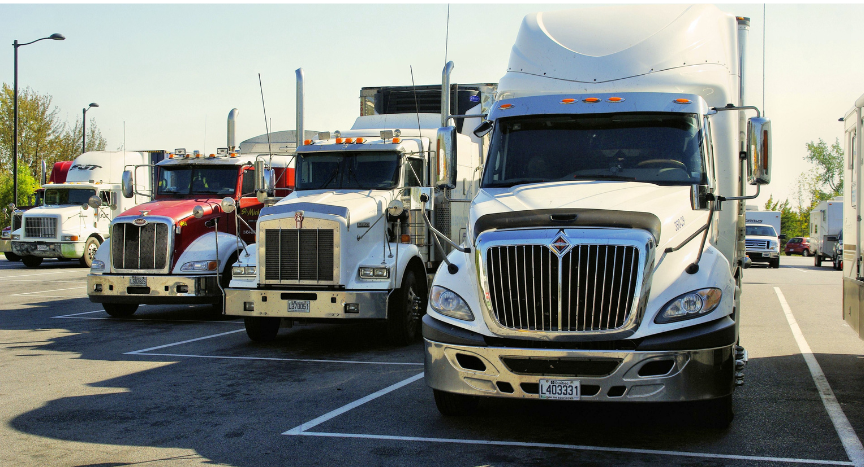
Today, conventional tractors dominate North American highways. Cabovers never disappeared completely, but they became a much less common sight. The shift happened gradually as regulations changed, truck designs improved, and fleets began placing greater value on driver comfort and operating efficiency.
When Shorter Trucks Meant Longer Trailers
For years, federal and state regulations limited the overall length of a tractor-trailer combination. Every foot occupied by the tractor was one less foot available for the trailer.
Cabovers offered a simple solution. By placing the driver above the engine instead of behind it, manufacturers eliminated the long hood found on conventional trucks. The shorter tractor allowed carriers to maximize trailer length while remaining within legal limits, making cabovers a practical choice for long haul freight.
As a result, manufacturers such as Freightliner, Kenworth, Peterbilt, International, Mack, and White all offered cabover models that became familiar across the country.
The Rules Changed
The biggest turning point came during the 1980s.
Federal highway regulations gradually shifted away from limiting the overall length of a tractor-trailer combination and instead focused on trailer length. Once carriers could legally operate longer trailers without relying on an exceptionally short tractor, one of the cabover’s biggest advantages began to disappear.
Conventional trucks suddenly had room to compete on other strengths.
Drivers Wanted More Space
Long haul trucking was also changing.
Drivers were spending more time on the road, and truck manufacturers were responding with larger sleeper cabs, improved seating, better insulation, and more storage. Conventional tractors offered engineers more flexibility when designing those features because the engine sat ahead of the cab rather than underneath it.
Ride quality improved as well. With the front axle positioned farther ahead of the driver, conventional trucks generally provided a smoother ride over rough pavement than many cabover models.
For fleets trying to attract and retain experienced drivers, those improvements became increasingly important.
Manufacturers Continued Improving Conventional Trucks
During the 1980s and 1990s, manufacturers invested heavily in aerodynamic designs that reduced wind resistance and improved fuel economy.
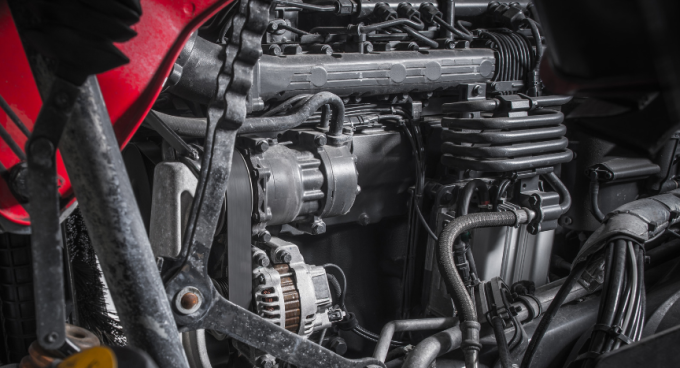
Long, sloped hoods became more efficient than the boxier cabover designs that had been common for decades. At the same time, easier engine access simplified routine maintenance because technicians could raise a hood instead of tilting an entire cab forward.
No single improvement replaced the cabover. Together, they made conventional trucks the better fit for most over-the-road applications.
Cabovers Still Have a Place
Although they are no longer the standard choice for long haul trucking in North America, cabovers continue to perform jobs where a compact design is an advantage.
Refuse collection, municipal services, airport operations, fire apparatus, and some heavy vocational applications still rely on cabover trucks because they can maneuver more easily in confined spaces than conventional tractors.
Outside North America, cabovers remain the dominant design in many countries. Narrower roads and stricter vehicle length regulations continue to make shorter tractors the practical choice throughout much of Europe and parts of Asia.
A Lasting Part of Trucking History
Cabover trucks helped shape modern trucking during a period when every inch of trailer space mattered. As regulations evolved and conventional tractors became more comfortable, more aerodynamic, and easier to maintain, fleets gradually changed direction.
While they no longer dominate interstate highways, cabovers remain an important part of trucking history and continue to prove their value in specialized applications where maneuverability matters as much today as it did decades ago.
Frequently Asked Questions
Why were cabover trucks so popular?
Cabovers allowed carriers to maximize trailer length when overall vehicle length limits were more restrictive than they are today.
Are cabover trucks still made?
Yes. Several manufacturers continue producing cabover trucks for vocational applications and international markets.
Why are cabover trucks common in Europe?
European vehicle length regulations and narrower road networks make compact truck designs more practical than conventional tractors in many situations.
Are cabover trucks harder to maintain?
Routine engine access typically requires tilting the cab forward, while conventional trucks generally provide easier access by raising the hood.
Do any American fleets still use cabover trucks?
Yes. Cabovers remain common in refuse collection, municipal fleets, airport operations, and other specialized applications where maneuverability is more important than long haul comfort.