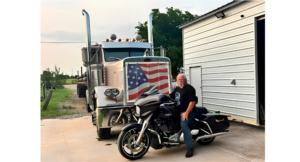


Every truck on the highway today represents more than a century of engineering, manufacturing, and innovation, but much of that history could have disappeared once older equipment reached the end of its working life. Unlike passenger cars that were often restored or collected, commercial trucks were expected to remain in service until they were no longer economical to repair. Many were rebuilt, dismantled or scrapped, leaving museums, historical archives and private collectors to preserve the equipment, records and mechanical knowledge that document how the industry evolved.
Museums Preserve Trucks That Helped Build the Industry
The Iowa 80 Trucking Museum in Walcott, Iowa, has grown into one of the country’s largest collections dedicated to commercial trucking. Founded from the private collection of Iowa 80 Truckstop founder Bill Moon, the museum houses more than 100 historic trucks, hundreds of vintage petroleum signs, antique fuel pumps and transportation artifacts representing more than a century of trucking history. Its collection includes early Mack, Peterbilt, Freightliner, White, Autocar and Kenworth models that illustrate how commercial truck design changed through different eras.
The collection continues to grow, and construction began in 2026 on a 25,000 square foot expansion that will allow dozens of additional vehicles to be displayed, including several Sterling trucks from the 1920s through the 1940s and a restored 1948 Mack armored truck. Expanding the museum also reflects one of the practical challenges of preserving commercial vehicles because restoration space, indoor storage, and exhibit space become just as important as acquiring the trucks themselves.
Historical Archives Preserve the Stories Behind the Equipment
Restored trucks show how commercial vehicles looked, but factory records, engineering documents and photographs provide the details that explain how they were originally built and where they spent their working lives. The American Truck Historical Society maintains one of the industry’s largest historical collections through the Zoe James Memorial Library, which includes more than 200,000 photographs, 35,000 pieces of manufacturer literature and tens of thousands of books, magazines and technical publications documenting commercial trucking.
Beyond photographs and publications, the collection also contains build records from manufacturers including Peterbilt, Kenworth and White Motor Company. Those records allow owners, historians and restorers to research individual trucks decades after they left the factory. As carriers, manufacturers and dealerships close, merge or modernize, preserving those documents helps retain information that might otherwise disappear with the businesses that created it.
Collectors Keep Historic Trucks Operating
Museums preserve equipment and archives preserve records, but another part of trucking history survives because collectors continue putting historic trucks back on the road. Organizations such as the Antique Truck Club of America encourage owners to restore, maintain, and operate antique commercial vehicles rather than treating them solely as display pieces. National and regional events regularly bring together trucks from different manufacturers and decades, allowing visitors to see equipment that still operates much as it did during its working years.
Keeping those vehicles operational also preserves practical mechanical knowledge that becomes more difficult to replace over time. Owners continue rebuilding mechanical engines, maintaining obsolete braking systems, locating discontinued parts and sharing restoration techniques that are no longer part of everyday fleet maintenance, ensuring those skills remain available alongside the vehicles themselves.
Preserving More Than Equipment
Preserving trucking history involves far more than restoring an old tractor or displaying it in a museum. Historic vehicles, manufacturer records and the knowledge required to keep older equipment operating each tell a different part of the industry’s story. Museums protect the trucks, archives document the companies behind them, and collectors continue demonstrating how earlier generations of commercial vehicles were designed to work, preserving a record of the people, equipment, and innovations that helped shape American trucking.
The TDUSA editorial team creates practical, driver-focused content covering trucking news, industry updates, safety, regulations, and career information for professional truck drivers across the United States. Each article is built to reflect real-world experience, industry developments, and information drivers can use on and off the road.
Last Updated: August 7, 2026
Sources: Iowa 80 Trucking Museum; American Truck Historical Society; Antique Truck Club of America