
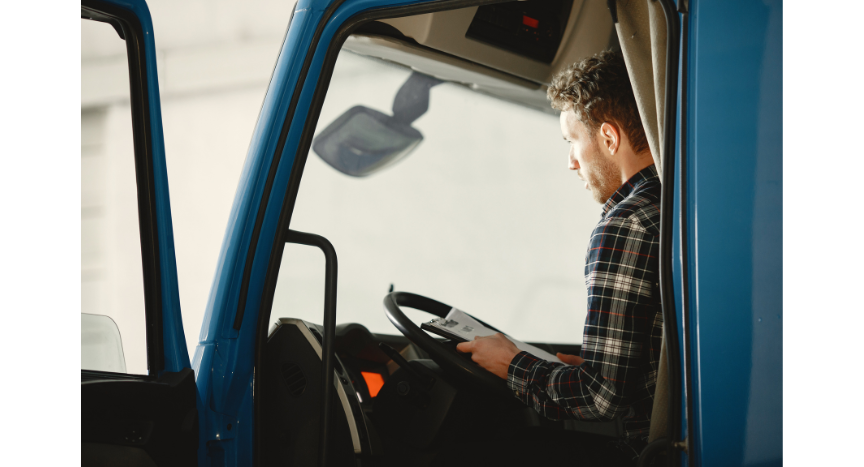
Roll-off trucking is one of the most specialized careers in the commercial driving industry, yet it’s often overlooked by new CDL holders exploring their options. Instead of hauling freight across multiple states, roll-off drivers transport large open-top containers used for construction debris, demolition materials, scrap metal, recyclables, and commercial waste. Most routes stay within a local service area, allowing drivers to return home at the end of the day while working in an industry that supports construction, infrastructure and waste management year-round.
Although the job involves less highway driving than many CDL careers, it requires a different set of skills. Precision backing, operating hydraulic equipment, evaluating changing job sites, and communicating with customers all become part of the daily routine. Anyone considering this career should understand that roll-off trucking is as much about safely handling specialized equipment as it is about driving the truck itself.
What Does a Roll-Off Truck Driver Do?
Roll-off drivers transport removable containers between customer locations and disposal or recycling facilities. Throughout a typical shift, a driver may deliver an empty container to a construction site, retrieve a full container from a commercial customer, and transport debris to a landfill or transfer station before continuing to the next scheduled stop.
Every pickup and delivery requires more than simply parking the truck. Containers must be positioned where customers can safely use them while leaving enough space for future retrieval. That often means evaluating driveways, construction entrances, parking lots, and work zones before unloading the container.
Daily responsibilities commonly include:
- Performing pre-trip and post-trip inspections.
- Inspecting hydraulic systems and container securement equipment.
- Delivering and retrieving roll-off containers.
- Transporting debris to landfills, recycling facilities, or transfer stations.
- Verifying loads comply with weight and securement requirements.
- Applying tarps when required by company policy or state regulations.
- Completing delivery documentation and communicating with dispatch.
How Roll-Off Trucking Differs from Long-Haul Driving
The biggest difference between roll-off trucking and over-the-road freight is how the workday is spent.
Long-haul drivers often spend hours covering interstate miles between customers. Roll-off drivers may visit multiple locations during a single shift, with every stop presenting a different layout, traffic pattern and unloading challenge. Construction projects change daily, commercial properties have limited access points and residential deliveries frequently require careful maneuvering around vehicles, landscaping and overhead obstacles.
Because much of the work occurs at low speeds on customer property, precision becomes more important than highway mileage. A successful delivery depends on planning the approach, positioning the truck correctly and ensuring the container can be removed just as safely when it’s time for pickup.
Operating the Equipment Safely
Roll-off trucks use hydraulic hoist systems that load and unload containers by rolling them onto rails mounted behind the cab. Most fleets operate either cable hoist or hook-lift systems, and each requires drivers to follow specific loading and unloading procedures.
Learning to operate the hoist is only one part of the job. Drivers also need to recognize how container weight shifts during loading, verify the container is aligned properly with the rails, and confirm there is adequate overhead clearance before raising the hoist. Utility lines, tree limbs, building overhangs and temporary construction structures can all create hazards if the surrounding area isn’t evaluated before beginning the unloading process.
Most employers provide hands-on equipment training because developing those skills safely takes practice beyond what is typically covered in CDL school.
Every Job Site Presents Different Challenges
One reason many people enjoy roll-off trucking is that no two deliveries are exactly alike.
Weather, ground conditions, and ongoing construction activity can all change a job site between visits. A location that was easily accessible earlier in the week may become difficult to reach after heavy rain, new excavation work or equipment relocation. Experienced roll-off drivers learn to slow down, evaluate the entire work area and think through both the delivery and eventual pickup before placing a container.
That planning helps reduce the risk of property damage, equipment problems and difficult recoveries when a loaded container needs to be removed later.
Customer Service Is Part of the Job
Roll-off trucking involves much more customer interaction than many people expect.
Drivers regularly work with contractors, project managers, business owners and homeowners who may all have different ideas about where a container should be placed. Sometimes the requested location simply isn’t safe because of soft ground, limited clearance, or overhead obstructions.
Explaining those concerns professionally and recommending a safer alternative is an important part of the job. Clear communication not only helps prevent misunderstandings but also protects customer property and reduces the likelihood of damage claims.
Where Roll-Off Drivers Work
Roll-off containers serve a wide range of industries, creating opportunities with many different types of employers.
Waste and recycling companies operate some of the largest roll-off fleets, but construction companies, demolition contractors, roofing businesses, scrap metal recyclers, environmental service providers and municipal sanitation departments also rely on roll-off drivers. Some large manufacturers and industrial facilities maintain dedicated container programs that require regular service throughout the year.
Because these industries operate in nearly every community, roll-off trucking often provides stable local employment with consistent demand.
Is Roll-Off Truck Driving the Right Career?
Roll-off trucking offers a different pace than traditional freight hauling. Every shift includes new customers, changing job sites, and opportunities to operate specialized equipment while remaining close to home. The work rewards patience, good judgment and careful planning far more than covering long highway distances.
Many employers hire entry-level CDL drivers and provide equipment-specific training, making roll-off trucking an accessible career path for those interested in vocational trucking. The experience gained operating hydraulic systems, maneuvering in confined spaces and working around active construction sites can also open doors to other specialized commercial driving positions as a career progresses.
Frequently Asked Questions
Do roll-off truck drivers usually go home every night?
Many roll-off routes are local, allowing drivers to return home after each shift. Start times are often early in the morning, and overtime may be common during busy construction seasons or after severe weather cleanup projects.
Is roll-off trucking physically demanding?
It can be. Drivers regularly enter and exit the truck, inspect equipment, connect or inspect containers, secure tarps when required, and perform routine equipment checks throughout the day.
What’s the difference between a roll-off truck and a dump truck?
A dump truck carries material in its permanently attached bed and unloads by raising the bed. A roll-off truck transports removable containers that remain at customer locations until they are ready to be picked up and replaced.
Do roll-off truck drivers load the containers?
In most cases, customers or construction crews load the containers. The driver’s responsibility is to safely deliver, retrieve and transport the container while ensuring it can be hauled legally and safely.
Do you need experience to become a roll-off truck driver?
Not always. Many employers hire newly licensed CDL drivers and provide training on hydraulic hoists, container handling procedures and company safety practices.
What’s the difference between a cable hoist and a hook-lift truck?
Cable hoist systems use a steel cable to pull containers onto the truck, while hook-lift systems use a hydraulic arm with a hook that engages the container directly. Both accomplish the same task but require different container designs and operating procedures.
What industries hire roll-off truck drivers?
Common employers include waste and recycling companies, construction and demolition contractors, roofing companies, scrap metal recyclers, environmental service providers, municipalities and container rental businesses.
Can roll-off trucking lead to other CDL careers?
Yes. Experience operating specialized equipment, maneuvering in tight spaces and working around construction sites transfers well into many vocational trucking careers, including dump truck operations, heavy equipment transport, municipal fleets and other specialized commercial driving positions.
The TDUSA editorial team creates practical, driver-focused content covering trucking news, industry updates, safety, regulations, and career information for professional truck drivers across the United States. Each article is built to reflect real world experience, industry developments, and information drivers can use on and off the road.
Last Updated: August 25, 2026