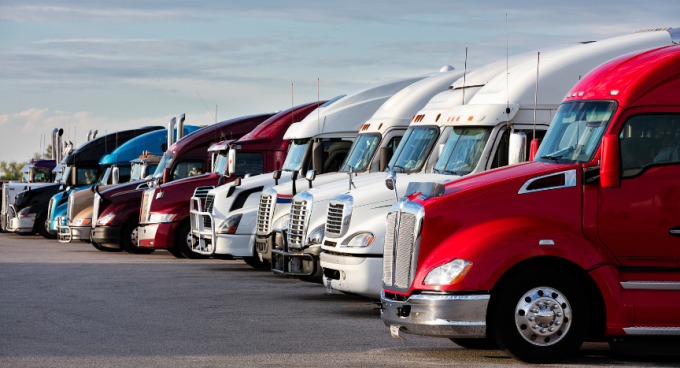


Ohio remains one of the nation’s busiest freight states thanks to its central location, extensive interstate network and strong manufacturing economy. Distribution centers continue expanding around Columbus, Cincinnati and Toledo, creating steady demand for CDL drivers across local, regional and over-the-road operations.
Although pay varies by experience, endorsements, freight type and employer, understanding Ohio’s trucking market can help drivers compare opportunities and make informed career decisions.
What Is the Average Truck Driver Salary in Ohio?
According to the latest Bureau of Labor Statistics wage data, heavy and tractor-trailer truck drivers in Ohio earn an average annual wage of $59,800, or about $28.75 per hour. Drivers in the highest earning 10% make more than $77,650 annually, while entry-level wages generally begin around $43,670. These figures represent statewide averages across a variety of trucking jobs, and actual earnings can vary depending on the position and compensation structure. (onetonline.org)
Ohio’s Freight Network Supports Strong Driver Demand
Ohio sits at the crossroads of several major freight corridors, with Interstates 70, 71, 75, 76, 77, 80 and 90 connecting the Midwest with the Northeast and Southeast. The state’s manufacturing, automotive, food processing and distribution industries generate freight throughout the year, creating consistent opportunities for professional drivers.
Columbus, Cincinnati, Cleveland, Toledo, Dayton and Akron remain among the state’s busiest trucking markets because they are home to large warehouse developments, manufacturing facilities and intermodal operations.
Different Driving Jobs Offer Different Earning Potential
The type of driving job often has a greater impact on earnings than location alone.
Local drivers are commonly paid by the hour and may qualify for overtime depending on the employer. Regional positions often combine regular home time with competitive weekly earnings, while over-the-road jobs typically provide greater mileage opportunities for drivers willing to spend more time away from home.
Specialized freight can also increase earning potential. Tanker, hazardous materials, oversized freight, and automotive hauling frequently require additional endorsements or experience, but those qualifications may lead to higher-paying opportunities. LTL linehaul positions also remain competitive throughout Ohio, particularly around major freight terminals.
Endorsements Can Expand Career Opportunities
Additional CDL endorsements do not automatically increase pay, but they can qualify drivers for jobs that are unavailable to those holding only a Class A CDL.
HazMat, tanker and doubles/triples endorsements allow drivers to pursue specialized freight, while a clean driving record and experience operating different equipment often strengthen employment opportunities with larger carriers.
Drivers who continue adding qualifications throughout their careers generally have access to a wider range of positions as hiring needs change.
Experience Continues to Influence Earnings
Most drivers see their largest wage increases during the first several years of their careers.
After building accident-free experience, many become eligible for dedicated routes, specialized freight and positions that require a proven safety record. Employers frequently consider both driving history and equipment experience when filling higher-paying jobs, making consistent performance just as valuable as years behind the wheel.
Total Compensation Includes More Than Base Pay
Comparing job offers based only on annual salary or cents per mile can overlook other valuable benefits.
Health insurance, retirement plans, paid time off, detention pay, layover pay, safety bonuses and tuition reimbursement all contribute to total compensation. Some employers also reimburse tolls, parking and other work-related expenses, reducing out-of-pocket costs throughout the year.
Reviewing the complete compensation package often provides a better comparison than focusing on mileage pay alone.
Finding the Right Fit
Ohio’s trucking industry offers opportunities in nearly every freight segment, from local delivery routes to long-haul operations serving customers across the country.
Drivers comparing job offers should consider freight consistency, home time, equipment quality, advancement opportunities, and benefits alongside starting pay. A position that provides stable freight and long-term career growth may offer greater value than one advertising only a slightly higher wage.
Frequently Asked Questions
What is the average truck driver salary in Ohio?
According to the Bureau of Labor Statistics, heavy and tractor-trailer truck drivers in Ohio earn an average annual wage of approximately $59,800. (onetonline.org)
Which Ohio cities have the strongest demand for CDL drivers?
Columbus, Cincinnati, Cleveland, Toledo, Dayton, and Akron remain among Ohio’s largest freight markets because of their manufacturing, warehouse, and distribution activity.
Do local truck drivers earn less than OTR drivers?
Not necessarily. Local positions often include hourly wages and overtime opportunities, while OTR drivers generally have greater mileage potential. Overall earnings depend on the employer, freight type, and schedule.
Which endorsements can increase earning potential?
HazMat, tanker and doubles/triples endorsements can open the door to additional job opportunities and specialized freight.
Does Ohio have a strong trucking industry?
Yes. Ohio’s location, interstate system and manufacturing base make it one of the country’s most active freight states.
Is truck driver pay in Ohio above the national average?
Yes. Current Bureau of Labor Statistics data shows Ohio’s average annual wage for heavy and tractor-trailer truck drivers is slightly above the national average. (onetonline.org)