
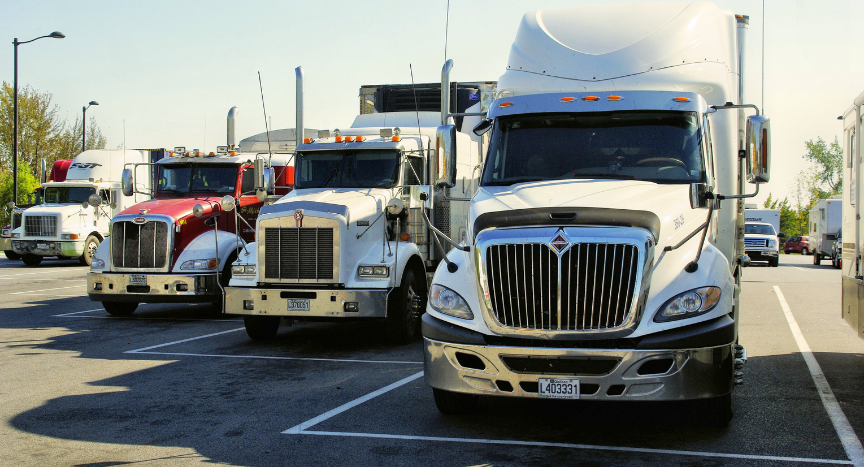
Spend enough time behind the wheel of a truck, and some parts of the job start showing up in everyday life. We asked the Truck Drivers USA Facebook community, “What’s one habit you picked up as a trucker that now follows you everywhere?” The responses ranged from mirror checks and wide turns to backing into parking spaces and sizing up every loading dock that passes by.
Some of those habits have a clear connection to commercial driver training. Truck drivers learn to scan well ahead, check their mirrors frequently, signal and brake early, plan routes around road and weather conditions, and pay close attention to height and weight restrictions. Judging by the responses from our community, those practices can be difficult to switch off once the workday ends.
The Mirrors Are Still Getting Checked
Several drivers said frequent mirror checks have become automatic, even when they are driving a personal vehicle. Brian Piper summed up his preference as “Mirrors over backup cameras every time,” while Dave Ripley said he finds himself “constantly looking in my mirrors.”
That habit comes straight from the demands of operating a large vehicle. FMCSA advises commercial drivers to check their mirrors every eight to 10 seconds to stay aware of vehicles entering blind spots, with additional checks before changing lanes, turning or merging.
Drivers Are Looking Farther Down the Road
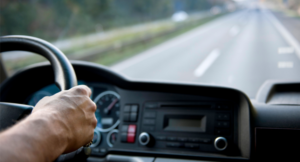
The view through the windshield changes after spending years driving professionally. Debra Cullimore said she likes to “always know what’s happening a mile down the road,” while Shannon Yoder watches traffic three cars ahead and Lee Cavanagh is “always looking ahead for an out.”
Truck drivers learn to scan well beyond the vehicle immediately in front of them. Looking farther ahead gives a driver more time to spot changing traffic, work zones, and other hazards before they require a sudden reaction.
A Car Can Still Feel Like It Has a Trailer
Wide turns were one of the most recognizable habits in the responses. Jeremy Ivany said he catches himself “making wide turns in my 4 wheeler,” and Baswell Bobbie Jo said she still looks for a trailer in the rearview mirror while making wide turns in her car.
The extra room is necessary in a tractor-trailer because large vehicles have a much wider turning radius than passenger cars. Once that judgment becomes second nature, switching to a much shorter vehicle does not always convince the brain that the trailer stayed behind.
Backing In Becomes the Default
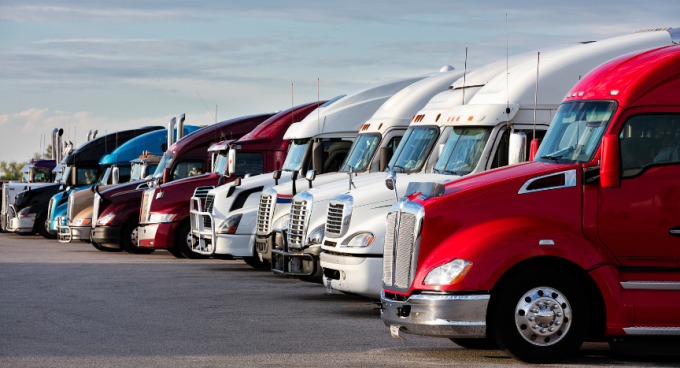
Chad Wolters said, “I back into every parking spot,” while Dima A Grig combines backing into spaces with another trucking habit: arriving early everywhere. Renate Caldwell takes a slightly different approach and looks for pull-through parking spots whenever possible.
For drivers accustomed to maneuvering a tractor-trailer into docks and tight parking areas, the way a parking space is approached can become something they think about before the vehicle ever stops. Annie Allen said she even catches herself passing warehouses and distribution centers and judging the available backing room, noticing whether a dock looks tight or has plenty of space.
Bridge Heights and Road Signs Are Hard to Ignore
Truck drivers cannot treat every road as suitable for their vehicle, and that awareness can remain even when clearance is no longer a concern. Adam Ferris said he still watches bridge heights, while Trish West said she reads road signs at home and notices both “no truck” signs and posted bridge heights.
There is good reason for that attention on the job. Commercial routes can include low-clearance structures, weight restrictions and roads where trucks are prohibited, making signs and route conditions something drivers learn to watch closely.
The Truck Is Gone, but the Shifter Apparently Is Not
Some habits are pure muscle memory. Orly Ramirez said he is “always looking for a clutch” regardless of the vehicle, while Lou Dombrowski said that when he starts his car, he still reaches over for the sticks and puts his left foot toward a clutch that is not there.
Charlene Becker has a similar list of habits that followed her into a personal vehicle, including expecting the Jake brake to engage when she lets off the throttle and reaching for the brake knobs instead of putting the vehicle in park. Those reactions may no longer match the vehicle being driven, but years of reaching for the same controls can make it happen before there is time to think about it.
Early Braking and Early Lane Changes Stick Around Too
The extra space required to stop and maneuver a truck also showed up repeatedly in the comments. Bryan Benjamin Pierce said he hits the brakes early even in his personal pickup, while Lorraine Storey said she slows well before a stop sign and activates her turn signal about half a block ahead.
Lance Poole still moves into the lane he needs about half a mile ahead of time when driving his pickup. Early braking, signaling, and lane positioning are all habits that give a driver more time and space to maneuver a large vehicle.
Some Habits Have Nothing to Do with Driving
Not every answer involved what happens behind the wheel. Bill Dunn said trucking gave him “an amazing ability to pack up everything I need for a week in under 20 minutes,” a skill that makes sense after repeatedly preparing to spend days away from home.
Ron Householder said being on time or early for appointments followed him beyond trucking, along with the patience to wait once he gets there. Bobby McQueen had another familiar side effect of years on the road: passing warehouses and telling his wife, “I delivered there!”
Taken together, the responses show how much of professional driving becomes automatic with time. Long after the truck is parked, drivers may still be checking mirrors, reading bridge heights, planning several moves, and wondering whether they could back into a dock they have absolutely no reason to enter.
If you want to join more conversations like this, follow the Truck Drivers USA Facebook community and share your own take with drivers from across the country.