

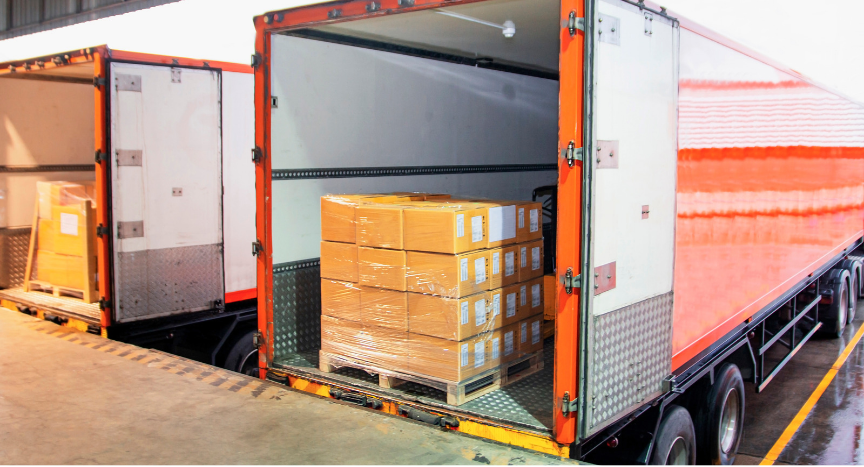
Not every type of freight can be transported together without creating problems. Even when products are properly packaged and secured, certain combinations can lead to spoiled food, damaged merchandise, or rejected shipments.
Mixed loads can present challenges that aren’t immediately obvious during loading. Fresh produce may have conflicting storage requirements, some products can absorb odors from nearby cargo, and food shipments may need additional protection against contamination. These differences help explain why shippers sometimes require specific loading arrangements or restrict what can travel in the same trailer.
Apples, Lettuce and an Unexpected Produce Problem
Lettuce can develop brown spots during transportation even when the reefer has maintained the correct temperature. One possible cause is ethylene exposure, particularly if the shipment includes apples, which release the gas naturally as they ripen.
The condition is called russet spotting. It affects the appearance of lettuce and can reduce its marketability without the leaves necessarily showing the kind of decay associated with a refrigeration failure. Broccoli is also sensitive to ethylene, although its response is different: exposure can accelerate yellowing.
These reactions are well documented in produce handling research. The UC Davis Postharvest Research and Extension Center identifies ethylene sensitivity as one of the factors that must be considered when storing and transporting fresh commodities.
There isn’t a federal rule prohibiting apples and lettuce from sharing a trailer. Produce shippers instead consider the amount of ethylene released, the sensitivity of neighboring products, ventilation, packaging, and transit time when deciding which commodities are suitable for a mixed shipment.
The Temperature Problem with Mixed Reefer Loads
Some freight combinations create problems before the trailer leaves the dock because the products require entirely different temperatures.
Frozen vegetables must remain frozen, while fresh lettuce is typically held just above freezing. Putting both in a conventional single-temperature trailer would leave one product outside its intended conditions, regardless of which setting was chosen.
The problem can be less obvious with fresh produce. Bananas and tomatoes are vulnerable to chilling injury at temperatures that suit many leafy vegetables. The damage may affect ripening or become noticeable after delivery, so the condition of the produce at pickup doesn’t necessarily reveal the risk.
Multi-temperature equipment allows certain products to travel in separate compartments, but it isn’t needed for every mixed load. When commodities have overlapping storage requirements, a shared environment may be suitable. The important consideration is the actual handling specification for each product, not simply whether both are classified as refrigerated freight.
Raw Poultry Beside Packaged Food
A refrigerated trailer carrying raw poultry and ready-to-eat products presents a concern that temperature control cannot resolve on its own.
If poultry packaging leaks, the liquid can contaminate other products or their packaging. Foods intended to be eaten without additional cooking are particularly sensitive to this kind of exposure, which is why packaging integrity and the placement of different products matter.
That doesn’t make every shipment containing both types of food illegal. The FDA’s sanitary transportation requirements allow for appropriate protective measures, including separation, isolation, and packaging, rather than imposing a universal ban on raw and ready-to-eat products sharing a vehicle.
The distinction matters because two food shipments can require the same refrigeration temperature but very different precautions against contamination.
Coffee, Strong Odors and Freight Quality
Coffee can absorb odors from its surroundings, making it vulnerable to contamination that has nothing to do with a leaking package. Its quality may be affected by exposure to strong-smelling products, particularly when packaging does not provide an adequate barrier.
Odors left inside equipment can be a concern as well. A trailer may be empty and free of visible residue yet retain a smell from an earlier shipment that makes it unsuitable for certain food products.
Shippers often address these situations through equipment specifications, including requirements for clean, odor-free trailers or restrictions on previous cargo. These aren’t necessarily federal prohibitions against particular products traveling together; they’re conditions intended to protect the quality of the shipment.
For food-grade bulk trailers, the consequences of previous cargo can extend beyond odor. Residue remaining after unloading may contaminate the next commodity, which is why cleaning records and cargo history can be important when assigning equipment.
Grocery Freight and Household Cleaners
Packaged groceries and household cleaning products may be headed to the same distribution center, but loading them together still requires attention to contamination risks.
A damaged container of cleaning solution can affect nearby food or its packaging. Some cleaning products also fall under hazardous materials regulations, which may establish additional loading restrictions depending on their classification.
There is no general federal prohibition against transporting all household cleaners alongside packaged groceries. Instead, the requirements depend on the products involved, their packaging, and the precautions needed to protect food from contamination.
A grocery shipper may also impose its own restrictions on particular cleaning products or require additional separation. Those instructions can be stricter than the minimum legal requirements, particularly when the company has established specific product-handling standards.
What Makes a Load Acceptable?
Cargo compatibility is generally addressed during shipment planning, when shippers and carriers determine the equipment, handling conditions, and loading arrangements required for the freight. Drivers aren’t ordinarily expected to establish produce compatibility standards or independently evaluate the chemical properties of products inside sealed shipments.
That doesn’t mean every combination is simply a matter of customer preference. Certain hazardous materials are subject to mandatory segregation rules, and covered food shipments must meet sanitary transportation requirements. Other limitations come from the shipper’s product specifications, which can be more restrictive than federal law.
A trailer can therefore be suitable for one mixed shipment but unacceptable for another containing similar products. The determining factors may include the length of the trip, the packaging used, the refrigeration equipment, or the previous cargo carried in the trailer.
The TDUSA editorial team creates practical, driver-focused content covering trucking news, industry updates, safety, regulations, and career information for professional truck drivers across the United States. Each article is built to reflect real-world experience, industry developments, and information drivers can use on and off the road.
Last Updated: October 23, 2026