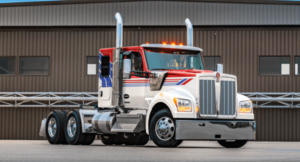


Some truck and vehicle parts and accessories truly change how your rig runs, while others are just extras you can live without. Drivers often search for “Truck and Vehicle Parts and Accessories” but then feel overwhelmed by options, so this is about what actually helps on long hauls, regional runs, and owner operator setups rather than what looks good in a showroom.
What parts matter most on the road
The Federal Motor Carrier Safety Administration requires that all commercial vehicles have working brakes, lighting, tires that match weight and load ratings, and mirrors that reduce blind spots. State inspections follow the same basics, so there is little room for cutting corners. For most drivers, the core focus is on tires that can handle the weight and road conditions of your routes, brake systems that meet stopping distance rules, and lighting that stays fully functional in rain, fog, and night driving.
Large fleet maintenance records show that brake components, tires, and lighting systems are among the most frequently replaced items. That means durable versions of those parts can lower repair costs and reduce unscheduled stops. Choosing tires with the right treadwear rating for your lanes, brake pads and rotors rated for heavy loads and steep grades, and mirrors that stay adjusted in wind can all add up to fewer roadside issues and fewer delays.
Engine fluids and reliability over time
Engine fluids and related components are another area where the right truck and vehicle parts and accessories can extend life and cut downtime. Synthetic engine oils and high efficiency filters can extend drain intervals, reduce sludge buildup, and protect components in extreme temperatures. Wheel bearings, seals, and hoses built to OEM or better specs help avoid leaks and failures on the road.
Many fleets and owner operators base their maintenance schedules on manufacturer recommendations and FMCSA guidelines, both of which are grounded in real world field data. When drivers stick to those schedules and use quality parts, they generally see fewer breakdowns and fewer missed loads. For long haul drivers who cross multiple climate zones, reliable fluids and well built components can make a noticeable difference in how often the truck needs attention.
Everyday accessories that drivers actually use
On the accessory side, the ones that drivers actually use every day are the ones that solve real problems instead of just filling space. The types of accessories that show up in real world setups, not just marketing photos, include:
- Dash mounts that keep GPS or phones visible but not distracting
- Clear mirrors that cut blind spots and improve visibility
- Easy‑to‑read gauges that help you monitor engine performance at a glance
- Tire pressure monitoring systems that alert to underinflation
- Quality air filters that keep the intake clean and help the engine run smoothly
- Simple tool kits that cover common roadside fixes and keep you mobile during small issues
These accessories help catch issues early and keep the truck moving without extra fuss. Drivers who spend weeks away from home often find that small, reliable upgrades to their daily workflow can make a big difference in how they feel at the end of a long run.
How truck drivers choose the right parts for their routes
How truck drivers choose the right truck and vehicle parts and accessories for their routes is about matching hardware to the job. Drivers who haul heavy loads through mountain passes usually prioritize cooling systems, robust brakes, and tires that can handle sustained grades. Those who run mostly flat, temperate regions can lean into fuel efficient tires and aerodynamic touches such as trailer fairings or side skirts that shave a few percentage points off fuel use over thousands of miles.
Emissions and weight rules from the Environmental Protection Agency and the Department of Transportation still apply nationwide, so any upgrade must fit within those standards. Carrier and shop guidance also matters. Many fleets have approved parts lists and warranty terms that can be affected by off brand or nonapproved components. Owner operators need to be especially careful, matching new parts to the manufacturer’s specifications and checking with a trusted mechanic before making changes.
To keep this practical and easy to scan, here are a few key points to hold in mind when choosing parts for your route:
- Think about whether the piece improves safety, reduces costs, or cuts downtime
- Match hardware to the type of freight and terrain you run most often
- Talk to your shop or carrier about what parts they already recommend or approve
Upgrades that make a real difference on long hauls
Upgrades that make a real difference on long hauls are the ones that reduce downtime, cut fuel use, or lower the risk of injury. Aerodynamic side skirts or trailer fairings can improve fuel economy enough that the cost pays for itself over time, especially on long distance routes. High efficiency tires that balance grip and rolling resistance, long life brake pads, and quality cooling systems all help keep the truck running without constant shop visits. Synthetic oils and advanced filters can extend service intervals in extreme temperatures, which is valuable for drivers who cross multiple climate zones.
Comfort and safety upgrades also count when they reduce fatigue or prevent issues. Upgraded seats with better lumbar support, dash mounts that keep devices visible but not distracting, and LED lighting that improves visibility without heavy power draw all help drivers stay alert and focused. Many fleets and owner operators also invest in trailer lighting upgrades, backup cameras, and dashcams that support inspections and accident reporting without adding clutter.
Some of the most common comfort oriented upgrades you see in real world cabs include:
- Seats with adjustable lumbar and better cushioning
- Dash mounts that keep GPS or phones in a safe, easy‑to‑see spot
- LED interior and under dash lighting that improves visibility at night
How to decide what is worth the investment
The real test for any part or accessory is simple. Does it improve safety, reduce costs, or cut downtime. If a piece meets any of those, it is more likely to be worth the money. For example, a trailer tire pressure monitoring system can help avoid blowouts, while quality steps and handrails can cut the risk of slipping on wet surfaces. Real world data from fleet maintenance records and warranty claims backs this up, showing that certain components are replaced far more often than others.
How truck drivers match parts and accessories to their driving style is another layer of the decision. Some drivers run tight schedules through busy corridors, while others chase lighter loads over mountain passes or through rural routes. The right mix of truck and vehicle parts and accessories should support that style without adding unnecessary complexity. Drivers who frequently cross steep grades may prioritize cooling systems and robust brakes, while those who mainly run flat, temperate regions may focus more on fuel efficiency and tire wear.
Quick checklist before adding a new part or accessory
- Ask whether it improves safety, reduces costs, or cuts downtime
- Check that it meets federal and state rules for your vehicle type
- Confirm that it fits within your carrier’s or shop’s approved parts list
In the end, the goal is not to own every available truck and vehicle part but to build a setup that runs reliably, keeps you safe, and helps you stay on schedule. Drivers often search for “Truck and Vehicle Parts and Accessories” but then feel overwhelmed by options, so the smart move is to focus on the core systems that keep the truck moving and the accessories that reduce fatigue and downtime. By matching choices to route type, company standards, and real world data, drivers can build a rig that feels familiar, safe, and ready for the next load no matter how many miles are left on the odometer.