

Commercial vehicle inspectors across North America continue conducting Brake Safety Week inspections through Aug. 29, with this year’s campaign placing additional attention on the condition of brake drums and rotors.
The Commercial Vehicle Safety Alliance’s (CVSA) annual enforcement initiative combines routine roadside inspections with a targeted review of brake systems. Commercial vehicles found with brake-related out-of-service violations, or any other out-of-service condition, can be placed out of service until the defects are repaired.
Inspectors Are Looking Beyond Routine Brake Checks
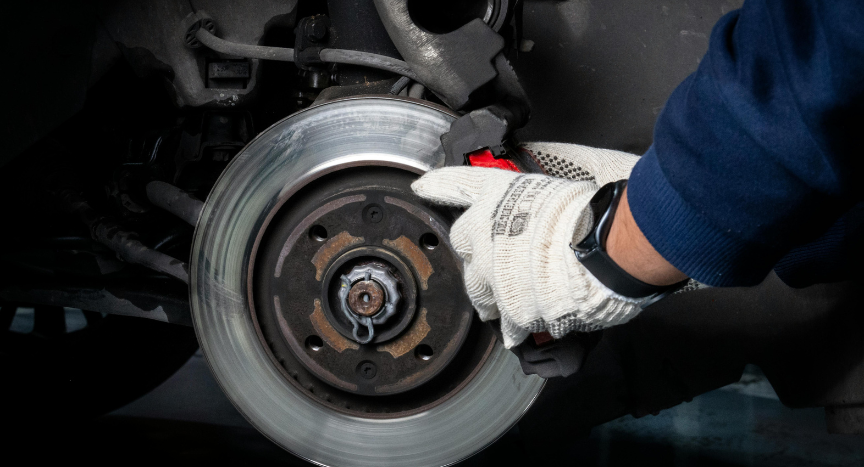
Every Brake Safety Week includes inspections of the entire braking system, but CVSA selects one component each year for additional emphasis. In 2026, inspectors are paying closer attention to brake drums and rotors because defects in those components can reduce braking performance and create hazards if broken pieces separate from a moving vehicle.
Brake drums should be free of cracks, missing sections, and excessive wear, while rotors are being evaluated for issues such as cracking, heavy rust, exposed cooling vents, and metal-to-metal contact caused by worn brake pads. Those are conditions drivers can often identify before leaving the yard through a careful vehicle inspection.
Roadside Inspections Continue Through the End of the Week
Brake Safety Week is conducted by CVSA-certified inspectors in the United States, Canada and Mexico. Although the campaign highlights brake systems, inspectors may also identify other out-of-service violations during a roadside inspection. Any vehicle placed out of service cannot return to operation until the required repairs have been completed.
Inspection activity typically increases awareness of brake maintenance across the industry, making this an ideal time for fleets and owner-operators to review inspection records, maintenance schedules and recent driver vehicle inspection reports.
Small Defects Can Become Larger Problems
Brake drums and rotors are exposed to significant heat and stress every time a commercial vehicle slows or stops. Over time, repeated braking can contribute to cracks, excessive wear, and other damage that may not be immediately noticeable without a thorough inspection.
CVSA encourages drivers to examine visible brake components during pre-trip and post-trip inspections, document any concerns on driver vehicle inspection reports, and report defects so repairs can be completed before equipment returns to service. The organization also recommends following brake manufacturers’ repair and maintenance specifications whenever replacement parts are installed.
Inspection Results Will Be Released Later This Year
As Brake Safety Week wraps up, inspectors will submit inspection and violation data to CVSA for analysis. The alliance plans to release the campaign’s results later this year, providing a snapshot of brake-related violations identified during this year’s enforcement effort across North America.
The TDUSA editorial team creates practical, driver-focused content covering trucking news, industry updates, safety, regulations, and career information for professional truck drivers across the United States. Each article is built to reflect real-world experience, industry developments, and information drivers can use on and off the road.
Last Updated: August 27, 2026
Source: The Trucker