
The Federal Motor Carrier Safety Administration (FMCSA) has announced a regional emergency due to the widespread outbreak of bird flu, significantly affecting poultry populations and disrupting the food supply chain.
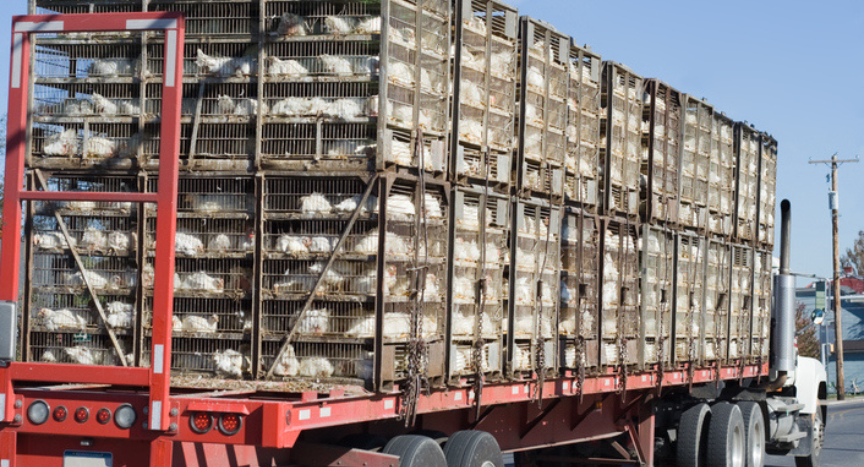
According to the declaration, the urgent need to transport live chickens across state lines from severely impacted regions has prompted this decision.
Several states, including California, Iowa, and Louisiana, had previously issued state-level emergency declarations regarding the bird flu. These states remain hotspots for ongoing concerns about public safety and food security. Additionally, bird flu-related risks have recently emerged in other states, further escalating the situation.
Relief for Emergency Transport Operations
The FMCSA’s declaration provides regulatory flexibility specifically for commercial motor vehicles involved in emergency support efforts. These vehicles are tasked with transporting live chickens from regions hit hardest by the bird flu outbreak to areas unaffected by the disease.
This exemption is solely for emergency transport. Routine commercial shipments, including those with minimal quantities of emergency relief supplies meant to qualify for the declaration, are not covered.
Revised Driving Regulations for Relief Efforts
To prioritize safety while ensuring timely delivery, the FMCSA has outlined specific conditions under which the usual driving time restrictions are suspended for drivers involved in emergency relief operations. These include:
- Motor carriers must secure an agreement from the receiving facility confirming that the live chickens will be accepted prior to dispatch.
- Drivers may not exceed 16 hours of driving within any 24-hour period.
- All driving must cease at 12 a.m. (midnight) each day.
- A minimum rest period of six hours in a sleeper berth is required before resuming driving.
- Drivers must use paper logs for tracking duty status and maintain all supporting documentation.
- Drivers must hold a valid commercial driver’s license and must not be under an out-of-service order or suspended driving privileges.
Additionally, motor carriers or drivers currently under an out-of-service order are not eligible for regulatory relief until their order is rescinded. Compliance with all relevant state and federal regulations is also mandatory.
Before beginning transport, motor carriers and drivers must ensure they have the necessary permits and approvals for the loading, transport, and delivery of live poultry.
Transitioning Back to Normal Operations
Once drivers complete emergency relief efforts, they must take a mandatory 10-hour rest break if their combined emergency and normal operations driving time reaches or exceeds 14 hours.
Declaration Valid Through March 10
The FMCSA’s regional emergency declaration will remain active until March 10, 2025, unless extended or otherwise modified.
Source: Land Line
- bird flu outbreak
- commercial motor vehicles
- driver hours of service
- emergency relief exemption
- emergency trucking rules
- FMCSA
- FMCSA emergency exemption
- food supply chain
- live poultry transport
- motor carrier safety
- poultry transport
- regional emergency declaration
- regulatory compliance
- truck driver safety
- trucking industry news
- trucking regulations