

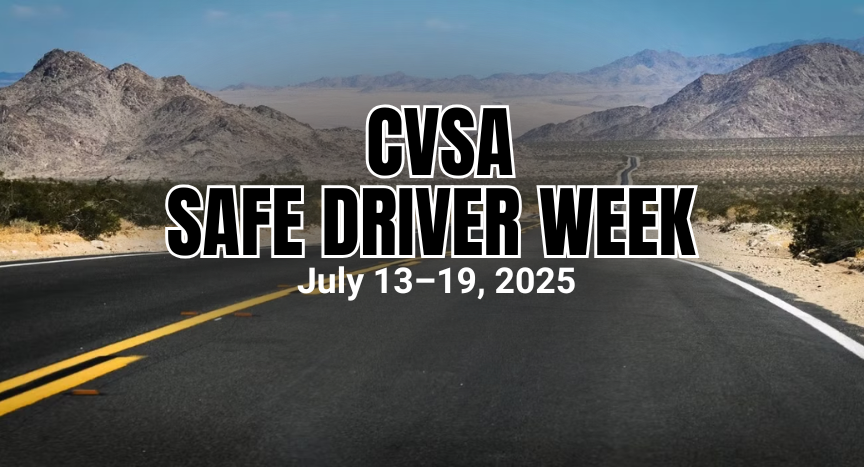
Throughout the year, law enforcement agencies across North America join forces to improve road safety by targeting risky driving behaviors. One of the most significant events, the Commercial Vehicle Safety Alliance’s (CVSA) Operation Safe Driver Week, is set to take place from July 13–19, 2025.
While it may seem like just another enforcement blitz, this initiative carries serious implications for carriers and drivers, especially those already grappling with CSA scores or FMCSA oversight.
This year, the focus is on speeding, a leading cause of truck-related fatalities. According to NHTSA data, speeding contributes to nearly one-third of fatal crashes. But this week isn’t just about issuing tickets—it’s a chance for fleets to address unsafe practices before they spiral into costly compliance issues, higher insurance premiums, lost business, or even shutdowns.
What is CVSA Safe Driver Week?
CVSA Safe Driver Week is a coordinated effort across the U.S., Canada, and Mexico aimed at identifying and addressing unsafe driving behaviors in both commercial motor vehicle (CMV) operators and passenger drivers. During this week, law enforcement will issue warnings and citations for violations such as:
- Speeding, tailgating, and aggressive lane changes.
- Distracted driving, including mobile phone use.
- Seat belt infractions.
- Ignoring traffic control devices.
The overarching goal? To deter dangerous driving and hold operators accountable through roadside interventions. As CVSA emphasizes, the focus is on ensuring the safe operation of all commercial vehicles.
Why This Matters for Fleets and Drivers
It’s easy to dismiss Safe Driver Week as a temporary inconvenience, but it’s part of a much larger picture. These enforcement periods directly impact your FMCSA profile, shaping your safety reputation in the eyes of insurers, brokers, and shippers.
Every violation recorded during these blitzes contributes to your CSA scores, and repeated issues in areas like unsafe driving, HOS compliance, or vehicle maintenance can trigger a domino effect:
- Higher ISS Scores: The FMCSA’s Inspection Selection System (ISS) uses your safety performance to determine how often your fleet gets inspected. A high ISS score means more frequent stops, even if your trucks are running clean.
- Increased Inspections = More Violations: Each inspection creates an opportunity for additional write-ups, especially if past issues haven’t been addressed.
- Noncompliance Cycle: Once your BASIC scores hit the alert threshold, it becomes harder to secure top-tier freight or renew insurance policies, especially in today’s tough insurance market.
Building a Clean Inspection Strategy
Breaking the cycle of noncompliance starts with a proactive approach. Don’t wait until Safe Driver Week to act—make safety a daily priority. Here’s how:
- Train Drivers Proactively: Educate your team on behaviors that trigger enforcement stops, like speeding or distracted driving.
- Coach Respectful Interactions: Teach drivers how to handle roadside inspections professionally and accurately.
- Leverage Safety Technology: Invest in tools like AI-enabled dashcams, driver scoring systems, and real-time coaching platforms to identify and correct unsafe behaviors before they lead to violations.
As CVSA officers focus on speeding, distracted driving, and seatbelt use this July, fleets equipped with AI-backed safety systems will have a significant advantage. These tools not only prevent accidents but also reduce the likelihood of citations. Remember, an ounce of prevention is worth a pound of cure.
Beyond Safe Driver Week: Other CVSA Events to Watch
Safe Driver Week is just one of several CVSA initiatives designed to address specific compliance risks. Upcoming events include:
- Brake Safety Week (August 25–31, 2025): This annual campaign targets brake system violations, one of the most common out-of-service issues. Inspectors will focus on brake components, lining conditions, and air system integrity during Level I and IV inspections.
Each event is an opportunity to strengthen your compliance strategy. If you’re only learning about these blitzes a week in advance, you’re already behind. Smart fleets conduct year-round internal audits, mock inspections, and data reviews to stay ahead of the curve.
Why Out-of-Service Criteria Are Critical
The CVSA Out-of-Service (OOS) Criteria outlines violations that can immediately sideline a truck or driver until the issue is resolved. Updated annually, these criteria are essential for maintaining compliance. Building checklists around OOS standards can help fleets avoid costly downtime, legal trouble, and reputational damage.
The Hidden Costs of Neglecting Safety
Failing to prepare for enforcement events doesn’t just result in tickets—it can lead to:
- Skyrocketing insurance premiums or policy cancellations.
- Lost contracts with shippers and brokers who monitor CSA data.
- Downtime, repair expenses, and towing fees for out-of-service vehicles.
- Increased driver turnover due to unclear compliance structures.
- FMCSA audits or interventions.
In today’s competitive freight market, safety isn’t just about compliance—it’s about protecting your brand, revenue, and long-term survival.
Final Thoughts: Turning Enforcement into Opportunity
For fleet managers, owner-operators, and safety directors, events like Operation Safe Driver Week shouldn’t be seen as threats. Instead, view them as opportunities to improve.
Every clean inspection, every corrected behavior, and every investment in driver support brings you closer to lowering your ISS score, avoiding FMCSA intervention, and positioning your fleet as a top-tier carrier in a highly scrutinized industry.
Source: Freightwaves