

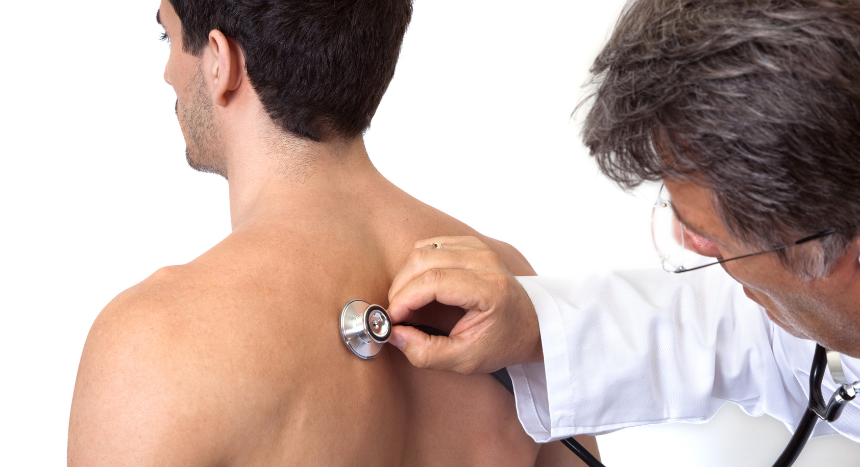
Whether you’re applying for your first CDL position or renewing your medical certificate, the DOT physical is one appointment every commercial driver should be prepared for. While the exam itself is straightforward, knowing what to expect ahead of time can help prevent delays and avoid unnecessary surprises.
Here’s what happens during a DOT physical exam, what to bring with you, and how the process differs from a DOT drug test.
Before Your Appointment
Most DOT physicals begin long before the medical examiner checks your blood pressure.
Before you arrive, gather any documentation that may be needed to verify existing medical conditions or treatments. That may include a list of current medications, information about CPAP compliance if you’re being treated for sleep apnea, insulin or diabetes documentation, or records from your treating physician if you’ve recently undergone surgery or treatment for a heart condition.
If you wear glasses, contact lenses, or hearing aids, be sure to bring them. You’ll be tested using the corrective devices you normally wear while driving.
Having the proper paperwork ready can help keep your appointment moving and reduce the chance of needing a follow-up visit.
What Happens During the DOT Physical?
The DOT physical exam is performed by a healthcare provider listed on the Federal Motor Carrier Safety Administration’s (FMCSA) National Registry of Certified Medical Examiners.
The appointment usually begins with a review of your medical history before moving into the physical examination.
During the exam, the medical examiner typically checks:
Blood pressure and pulse
Vision
Hearing
Height and weight
Heart and lung function
Reflexes and overall physical condition
You’ll also be asked about previous surgeries, medications, and any medical conditions that could affect your ability to safely operate a commercial motor vehicle.
The Urine Sample Doesn’t Mean You’re Taking a DOT Drug Test
One of the biggest misconceptions among new CDL drivers is that the urine sample collected during a DOT physical is a DOT drug test.
It isn’t.
During a DOT physical exam, the urine sample is generally used to screen for underlying medical conditions, including signs of diabetes or kidney disease.
A DOT drug test is a separate federal requirement with its own procedures and testing standards. Drivers may be required to complete drug testing before employment, through random testing programs, after certain crashes, upon reasonable suspicion, or as part of the return-to-duty process following a violation.
Although some employers schedule both appointments on the same day, they are two separate examinations.
Can You Pass a DOT Physical with a Medical Condition?
In many cases, yes.
Conditions such as high blood pressure, diabetes, sleep apnea, or certain heart conditions don’t automatically prevent someone from receiving medical certification. Instead, the medical examiner reviews how well the condition is being managed and whether additional medical documentation is needed.
Some drivers receive a medical certificate that’s valid for the full two years, while others may receive certification for one year or another shorter period so their condition can be monitored more closely.
What Happens After the Exam?
If you meet FMCSA medical standards, you’ll receive a Medical Examiner’s Certificate, commonly referred to as a DOT medical card.
Most certificates are valid for up to 24 months, although the certification period can be shorter depending on your medical history and the examiner’s findings.
If additional information is needed before certification can be issued, the medical examiner will explain what documentation is required and the next steps to complete the process.
A Little Preparation Goes a Long Way
The DOT physical is a routine part of a professional driver’s career, but it shouldn’t be treated as just another appointment. Arriving prepared, bringing the right medical documentation, and understanding what’s included in the exam can help the process go more smoothly and reduce the chances of unexpected delays.
Whether you’re taking your first DOT physical or renewing your medical certificate, knowing what to expect before you arrive can make the experience a little less stressful—and help keep you on the road.