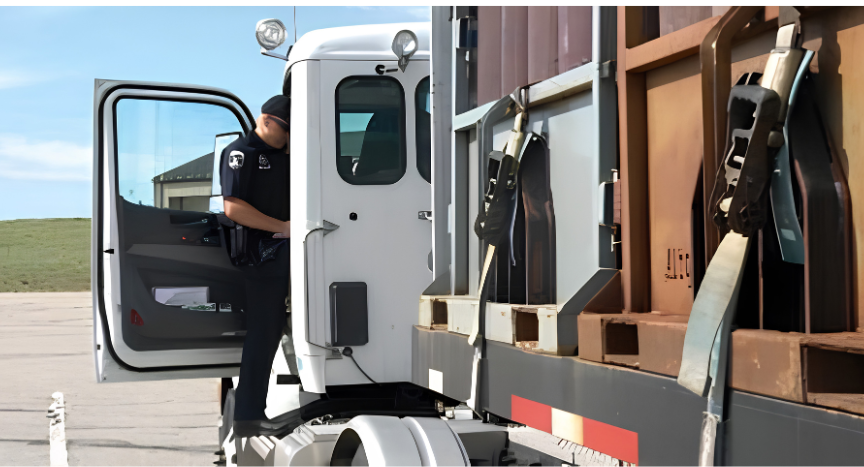


Preparing for a trip starts before the engine is running. Along with planning the route and inspecting the truck, drivers need to make sure the cab is stocked with the equipment, paperwork and personal supplies they’ll rely on throughout the trip. The right packing list can reduce unnecessary stops, make inspections more efficient and help drivers stay prepared if weather, traffic or customer delays change the schedule.
While every operation has different requirements, the items below cover many of the essentials professional drivers carry regularly.
Required Emergency Equipment
Federal regulations require commercial vehicles to carry certain emergency equipment before operating on public roads. These items should be checked before every trip to confirm they are present, accessible, and in good condition. Keeping required safety equipment separate from personal belongings also makes it easier to locate during roadside emergencies or inspections. Federal requirements include:
- Fire extinguisher
- Three reflective warning triangles
- Spare fuses (where applicable)
Driver Documents
Drivers regularly present paperwork during inspections, deliveries, border crossings, permit checks, and other routine stops. Keeping documents together in a waterproof folder or expanding organizer reduces the chance of losing important paperwork and makes it easier to find what is needed without searching through the cab.
Packing Checklist
- CDL
- Medical Examiner’s Certificate (if applicable)
- Vehicle registration
- Proof of insurance
- IFTA credentials (where applicable)
- Oversize or overweight permits
- Bills of lading
- Fuel receipts
- Scale tickets
- Maintenance receipts (owner-operators)
- Emergency contact information
- Notebook and pens
Clothing
Packing clothing for a trucking job means preparing for changing weather and working conditions rather than simply counting the number of days away from home. Drivers may encounter rain during inspections, cold mornings at loading docks, or warm afternoons while fueling. Choosing durable clothing that can be layered helps reduce the amount of gear needed while remaining comfortable throughout the trip.
Packing Checklist
- T-shirts
- Long-sleeve shirts
- Jeans or work pants
- Extra socks
- Undergarments
- Hoodie or sweatshirt
- Waterproof rain jacket
- Insulated jacket (seasonal)
- Waterproof boots
- Comfortable work shoes
- Shower sandals
- Baseball cap
- Knit cap
- Lightweight work gloves
- Insulated gloves
- Food and Drinks
Schedules do not always allow drivers to stop where they originally planned. Traffic, detention, weather, and limited truck parking can all delay meal breaks. Carrying a supply of shelf-stable food and drinks provides flexibility while reducing the need to rely entirely on truck stops or convenience stores. Drivers with refrigerators or insulated coolers can expand their meal options by bringing food from home.
Packing Checklist
- Bottled water
- Reusable water bottle
- Coffee or tea
- Electrolyte drink packets
- Protein bars
- Mixed nuts
- Peanut butter
- Crackers
- Tuna or chicken packets
- Instant oatmeal
- Fresh fruit
- Prepared meals
- Cooler or truck refrigerator
- Reusable utensils
- Inspection and Safety Supplies
Pre-trip, en route and post-trip inspections require more than a flashlight. Having inspection supplies readily available helps drivers work more efficiently during low-light conditions and makes it easier to keep mirrors, windows, and other visibility equipment clean throughout the trip.
Packing Checklist
- LED headlamp
- Flashlight
- Spare batteries
- Reflective safety vest
- Safety glasses
- Tire pressure gauge
- Nitrile gloves
- Shop towels
- Glass cleaner
- Microfiber towels
- Basic Tool Kit
Drivers are not expected to perform major repairs at the roadside, but a few basic tools can help with minor adjustments and temporary situations until maintenance is available. Compact hand tools require very little storage space and can prove useful throughout the year.
Packing Checklist
- Multi-bit screwdriver
- Adjustable wrench
- Slip-joint pliers
- Utility knife
- Electrical tape
- Duct tape
- Zip ties
- Spare gladhand seals
- Spare windshield wiper blades
- Small socket set
Electronics
Electronic devices play a larger role in trucking than ever before. Navigation, communication, electronic logging, and work-related apps all depend on reliable power. Carrying spare charging equipment helps prevent unnecessary interruptions if a cable fails or a charger is misplaced.
Packing Checklist
- Phone charger
- Spare charging cable
- 12-volt USB adapter
- Portable battery pack
- Bluetooth headset
- Headset charger
- Tablet charger
- GPS charging cable
Sleeper Cab Supplies
Drivers spending multiple nights on the road often find that a few comfort items make extended trips easier. Good rest is an important part of staying alert behind the wheel, so preparing the sleeper with necessities can make time away from home more manageable.
Packing Checklist
- Pillow
- Bedding
- Blanket
- Bath towel
- Toiletry bag
- Laundry bag
- Earplugs
- Sleep mask
- Small fan
- Personal Care Items
Keeping personal care supplies in a dedicated toiletry bag makes them easier to access at truck stops, rest areas, and hotels. Replacing used items before leaving home also helps avoid unnecessary purchases while traveling.
Packing Checklist
- Toothbrush
- Toothpaste
- Shampoo
- Soap
- Deodorant
- Prescription medications
- Sunscreen
- Lip balm
- Hand sanitizer
- Baby wipes
- Toilet paper
- Nail clippers
Frequently Asked Questions
What emergency equipment is required in a commercial truck?
Federal regulations generally require commercial vehicles to carry a fire extinguisher, three emergency warning devices, and spare fuses where applicable. (csa.fmcsa.dot.gov)
What documents should truck drivers keep in the cab?
Drivers should keep their CDL, registration, insurance information, permits, trip paperwork and any required medical certification organized and readily accessible.
What food stores well in a truck?
Protein bars, nuts, crackers, peanut butter, tuna packets, oatmeal and bottled water all store well and require little preparation.
Should truck drivers carry basic tools?
A compact tool kit can be useful for minor adjustments and temporary situations, although major mechanical repairs should be left to qualified technicians.
How often should a packing list be reviewed?
Reviewing supplies before every trip helps ensure clothing, equipment, and paperwork match the planned route, season, and expected weather conditions.