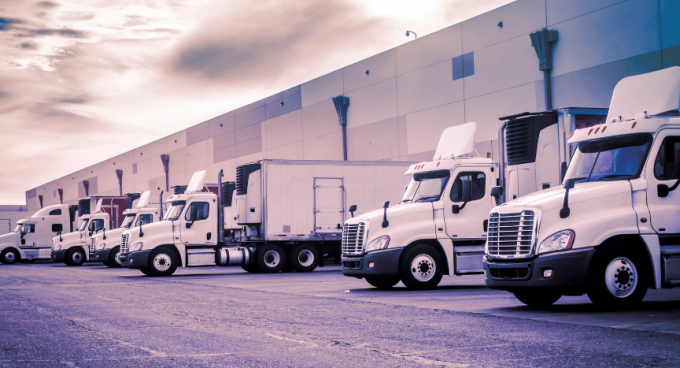


Buying a truck is not the only way to become an owner-operator. Leasing gives drivers another path into truck ownership or independent operation without paying the full purchase price upfront. Depending on the agreement, a lease may lower initial costs, provide newer equipment, and reduce some maintenance responsibilities, but it also creates a financial commitment that should be evaluated carefully before signing.
Understanding how commercial truck leases work, what expenses remain the driver’s responsibility, and which questions to ask before agreeing to the terms can help drivers make a more informed decision.
How Semi Truck Leasing Works
A commercial truck lease allows a driver or business to use a truck for a set period in exchange for scheduled payments. Unlike a traditional rental, leases typically last several years and outline who is responsible for maintenance, repairs, insurance, and other operating costs.
Several lease structures are available throughout the trucking industry.
A finance lease functions similarly to a purchase agreement. Monthly payments build equity in the truck, and drivers may have the option to buy the vehicle at the end of the lease.
An operating lease generally returns the truck to the leasing company once the agreement ends. These leases often involve newer equipment and may include maintenance services, although drivers should review exactly what is covered before signing.
Lease-purchase agreements are another option commonly offered by carriers and independent leasing companies. Under these programs, drivers make scheduled payments while operating the truck to eventually take ownership. Because lease-purchase contracts vary significantly, every term should be reviewed carefully before committing.
What Is Required to Lease a Semi Truck?
Requirements vary by leasing company, but most providers evaluate both the driver’s qualifications and financial history before approving an application.
Common requirements include:
- A valid Commercial Driver’s License (CDL)
- An acceptable motor vehicle record
- Driving experience that meets the leasing company’s minimum requirements
- Proof of income or business revenue
- Credit history, although minimum score requirements differ between lenders
- Proof of insurance or the ability to obtain required commercial coverage
Some companies may also request business formation documents if the lease is being completed under an LLC or corporation.
Upfront Costs to Expect
Monthly lease payments are only one part of the overall cost.
Many leases require an initial payment before the truck is placed into service. Depending on the agreement, drivers may be responsible for:
- Security deposit
- Down payment
- Sales tax where applicable
- Registration and licensing fees
- Title fees
- First month’s lease payment
- Insurance deposits
- Electronic logging device installation if not already equipped
- Permits required for the operation
The amount due at signing varies considerably depending on the truck’s value, lease type, and the driver’s financial profile.
Ongoing Expenses Remain the Driver’s Responsibility
Leasing a truck does not eliminate the ongoing costs of operating one.
Even when maintenance is included under the lease agreement, owner-operators are often responsible for a variety of operating expenses throughout the year.
Common expenses include:
- Lease payment
- Fuel
- Commercial truck insurance
- Physical damage coverage
- Cargo insurance when required
- Fuel taxes and IFTA reporting where applicable
- Routine maintenance not covered by the lease
- Tires
- DEF
- Oil changes and preventive maintenance
- Tolls
- Scale fees
- Permits
- Truck washes
- Accounting or bookkeeping expenses
- Communication equipment and internet service
Understanding which expenses are included in the lease and which remain the driver’s responsibility is one of the most important parts of comparing different leasing options.
Questions to Ask Before Signing
Not every lease is structured the same way.
Before signing an agreement, drivers should understand:
- Is there a mileage limit?
- Who pays for major repairs?
- What maintenance is included?
- Are preventive maintenance services required at specific locations?
- What happens if the lease ends early?
- Is there a purchase option?
- Are there penalties for excessive wear or damage?
- Can the truck be operated under another carrier if circumstances change?
Reading the full contract instead of relying on a summary helps prevent unexpected costs later.
Leasing Versus Buying
Leasing and purchasing each offer advantages depending on a driver’s financial situation and long-term plans.
Leasing generally requires less money upfront and may provide access to newer equipment with predictable monthly payments. Purchasing typically builds equity over time and gives the owner more flexibility regarding modifications, resale, and long-term operating costs.
Neither option is automatically better. The right decision depends on available capital, expected annual mileage, business goals and the total cost of ownership over several years rather than the monthly payment alone.
Review the Total Cost Instead of the Monthly Payment
A lower monthly payment does not always make one lease a better value than another.
Comparing insurance requirements, maintenance responsibilities, purchase options, early termination fees and the total amount paid over the life of the lease provides a more complete picture of what the agreement will actually cost.
Taking time to compare multiple leasing companies, reviewing every contract carefully, and asking questions before signing can help drivers avoid unexpected expenses after the truck enters service.
Frequently Asked Questions
Can you lease a semi truck with bad credit?
Some leasing companies work with applicants who have less-than-perfect credit, although approval may require a larger down payment, higher monthly payments, or additional financial documentation.
Do leased semi trucks include maintenance?
Some operating leases include certain maintenance services, while others require the driver to pay for all routine maintenance and repairs. Coverage varies by agreement.
Is insurance included in a semi truck lease?
Insurance is usually a separate expense. Drivers should confirm the types and amounts of coverage required before signing the lease.
Is a down payment required to lease a semi truck?
Many leasing companies require either a security deposit, down payment, or both, although requirements differ by provider and lease structure.
Is leasing or buying a semi truck cheaper?
The answer depends on the lease terms, financing costs, maintenance expenses, annual mileage, and how long the truck will be operated. Comparing the total cost over the life of the agreement provides a more accurate comparison than looking only at the monthly payment.