

Driving across the diverse regions of the United States means facing a variety of challenges that affect everything from safety and delivery times to equipment maintenance and overall efficiency. Each area has its own unique conditions, be it weather, terrain, traffic patterns, or local infrastructure that can significantly impact a truck driver’s experience and operational decisions. Understanding these regional dynamics is key to anticipating difficulties in planning routes effectively and minimizing risks on the road.
Pacific Northwest Mountain Roads and Unpredictable Weather
Drivers in the Pacific Northwest regularly navigate mountain passes such as the Cascades, where roads are narrow and prone to closures. For example, Washington state experiences over 650 reported highway closures annually due to landslides or severe weather events. Heavy rain and snow often make traction difficult; carrying tire chains and knowing how to manage slipping risks are vital. Freight shipped here includes perishable seafood and produce, which requires refrigerated trailers that maintain temperatures despite coastal climate fluctuations. Skilled drivers advise slowing down on wet roads and updating routes via state DOT alerts to avoid bottlenecks.
Midwest Harsh Winters and Wide Highways
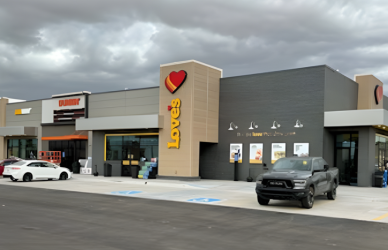
The Midwest’s long highways belie the severity of winter weather. Illinois saw over 2,200 large truck crashes linked to freezing rain and icy roads last year. Drivers frequently use traction devices during blizzard conditions and rely heavily on DOT weather updates to reroute and safely manage deliveries. This region moves vast quantities of farm equipment and grain, which means timing deliveries around the harvest season and winter storms can make or break schedules. Truck stops here remain critical hubs for exchanging real-time weather info and operator advice.
Southwest Desert Terrain and Urban Congestion
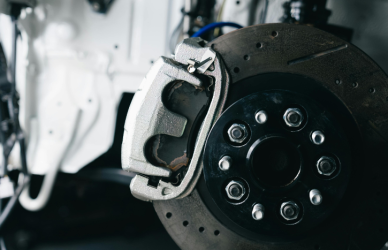
In the Southwest, equipment and drivers face prolonged heat stress with temperatures often above 100°F. Truck cooling systems require extra maintenance here to prevent overheating, with heat contributing to 15% more maintenance calls in Arizona than the national average. Seasonal dust storms or haboobs sometimes reduce visibility to near zero, forcing unexpected stops. Urban traffic around Phoenix, Dallas, and other cities also requires agility and planning due to frequent congestion. Freight often includes agricultural products and manufactured goods, demanding flexible scheduling to avoid heat-related delays.
Northeast Traffic Density and Winter Road Hazards
The Northeast challenges drivers with consistent traffic jams, narrow roadways, and overpasses with height restrictions. For instance, New York and Pennsylvania each account for thousands of truck-related accidents annually, often linked to winter weather and infrastructure constraints. Drivers commonly perform short-haul routes through congested industrial zones where precise driving is paramount. Despite the congestion and delays, local knowledge of traffic patterns and trusted routes helps maintain timely delivery schedules. The local culture with varied food options also provides small but appreciated morale boosts during breaks.
Regional Safety and Industry Challenges
Texas consistently reports the highest number of truck accidents due to high traffic density, whereas rural states like Wyoming face higher fatal crash rates due to long distances and limited emergency services. The persistent national shortage of drivers contributes to fatigue and safety risks, with over 64,000 drivers currently needed industry-wide. As a result, driver scheduling flexibility and adherence to safety protocols are essential.
Practical Advice for Managing Regional Conditions
- Use real-time weather and DOT alerts tailored for your route.
- Prepare region-specific equipment such as tire chains or enhanced cooling systems.
- Plan deliveries around known seasonal hazards and traffic patterns.
- Build relationships at truck stops for up-to-the-minute local guidance.
- Prioritize parking and rest in areas with scarce facilities to avoid violations and fatigue.