

A stretch of U.S. Highway 189 in southwest Wyoming is about to get busier for all the wrong reasons. Construction tied to the Kemmerer South wildlife crossings project is moving forward, and drivers should be ready for changes across roughly 30 miles of roadway.
The project is backed by a $24.3 million federal grant, along with $8.8 million from partner groups. Plans include seven underpasses, one overpass, and fencing running along both sides of the highway to help guide wildlife away from traffic and toward safe crossing points.
What’s Already Been Done
Crews made headway before winter set in. Around 20 miles of fence posts were installed, and dirt work was completed to set up detours around the future underpass locations. That early work is now setting the stage for a more active construction season.
What’s Changing This Spring and Summer
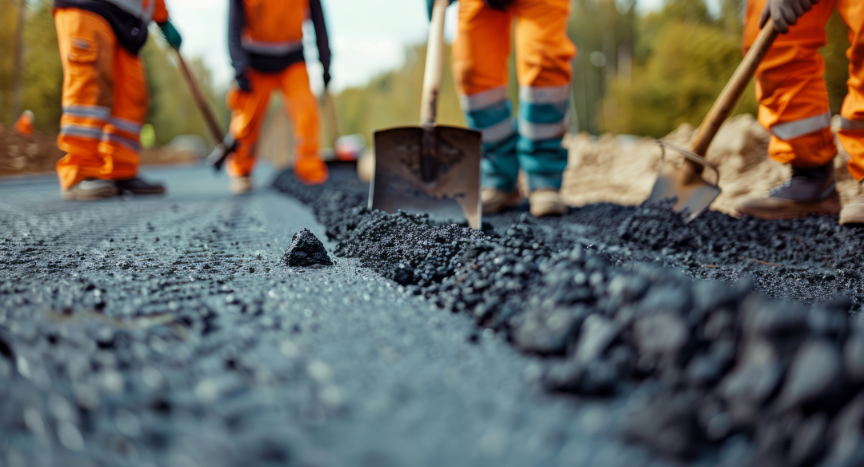
Starting in April, traffic will be pushed onto gravel detours around work zones. Those setups will stay in place as crews continue building the crossing structures.
Expect slower travel, uneven surfaces, and delays, especially during peak work periods. With multiple areas under construction, traffic patterns may shift as the project moves along.
WYDOT has already warned that delays should be expected.
Timeline Moving Forward
The work isn’t a quick fix. The overall project is scheduled for completion in October 2027.
“The contractor is working hard, fine-tuning the schedule and keeping things on track for the project,” Wyoming Department of Transportation Resident Engineer Jennifer Hoffman said. “If things go well, our goal is to have all eight structures constructed in 2026, weather and schedule permitting.”
As always in Wyoming, the weather could change that timeline.
Why These Projects Are Showing Up More Often
Wildlife crossings are becoming a more common sight, especially across Western corridors where animal movement overlaps with highway traffic.
While construction can slow things down in the short term, the goal is to cut down on wildlife-vehicle crashes. That can mean fewer disruptions, less damage, and safer conditions over time.
Colorado’s Recent Example
A similar effort wrapped up in Colorado in December 2025. The state completed what it describes as the world’s largest wildlife overpass over Interstate 25 near the Greenland Interchange.
The structure spans six lanes and reconnects 39,000 acres of habitat used by elk, mule deer, and pronghorn. Officials expect it to reduce wildlife-vehicle crashes along that section of I-25 by 90%.
Before it was built, the area averaged about one wildlife-related crash per day, according to state transportation officials.
The overpass was part of the larger I-25 South Gap project and, like the Wyoming effort, relied on federal funding and support from multiple agencies.
What Drivers Should Keep in Mind
If your route takes you through this part of Wyoming, plan for extra time and stay alert in work zones. Gravel detours and active construction aren’t going away anytime soon.
The end goal is safer roads, but for now, getting through the area will take a little more patience.