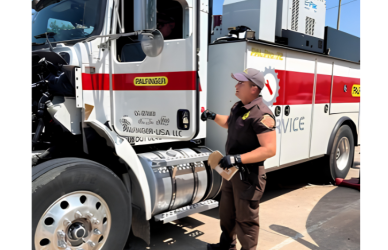



Packing for a trucking job is about more than bringing enough clothes to get through a trip. The items drivers keep in the truck can affect comfort, organization, downtime, and how well they handle unexpected situations miles from home.
Many new drivers focus on the obvious essentials and later realize the items that make the biggest difference are often the ones nobody mentioned during training. Building a practical packing list early can help avoid unnecessary purchases and reduce the number of things forgotten during a trip.
Organize Important Documents Before You Need Them
Few things are more frustrating than searching through a truck for paperwork when it is suddenly needed.
Many experienced drivers keep important documents together in a dedicated folder or organizer rather than storing them in multiple locations throughout the cab.
Items commonly kept together include:
CDL and identification
Medical certification documents when applicable
Insurance information
Permit documentation
Emergency contact information
Having a designated place for paperwork can eliminate unnecessary stress during inspections and routine stops.
Build A Laundry Strategy Instead of Packing More Clothing
One mistake new drivers often make is filling every available storage compartment with clothing.
A better approach is to create a plan for laundry during downtime. Packing enough clothing for one to two weeks is often more practical than trying to prepare for an entire month on the road.
Items many drivers prioritize include:
Extra socks
Moisture-wicking shirts
Work pants
Lightweight jacket
Cold-weather layers
Rain gear
Weather conditions can change quickly across different regions, making versatile clothing more valuable than large quantities of similar items.
Keep Food Available for Unexpected Delays
Parking shortages, weather events, traffic problems, and customer delays can disrupt even the best-planned schedule.
Drivers who keep a small food supply in the truck are often better prepared when restaurants are unavailable or schedules change unexpectedly.
Common choices include:
Nuts
Protein bars
Peanut butter
Tuna packets
Oatmeal
Shelf-stable snacks
Many drivers find that keeping food available reduces the temptation to rely exclusively on convenience purchases throughout the week.
Create A Dedicated Charging Station
Modern trucking depends heavily on electronics. Phones, tablets, headsets, navigation devices, and other equipment all compete for charging space.
Rather than keeping charging cables scattered throughout the truck, many drivers create a dedicated charging area using:
Multi-port chargers
Backup charging cables
Power banks
Cord organizers
A simple setup can prevent frustration when devices need to be charged at the same time.
Pack For Better Sleep Instead of Just More Comfort
New drivers often focus on bedding but overlook the factors that interrupt sleep. Small items can make a significant difference when parked in busy truck stops or rest areas.
Many drivers carry:
Earplugs
Sleep masks
Small fans
Mattress toppers
Extra blankets for seasonal weather changes
Improving sleep quality can have a greater impact on daily performance than adding additional entertainment or convenience items.
Bring Cleaning Supplies That Save Time
A truck can quickly become cluttered during long trips. Keeping a few cleaning supplies readily available makes it easier to stay organized throughout the week.
Useful items include:
Disinfecting wipes
Paper towels
Trash bags
Glass cleaner
Hand sanitizer
Regular cleanup takes only a few minutes but can make the cab feel significantly more comfortable.
Pack A Few Items Most New Drivers Forget
Some of the most useful items in a truck are often the ones drivers do not think about until they need them.
Frequently overlooked items include:
Spare charging cables
Backup prescription glasses or contact lens supplies
Extra work gloves
Basic laundry supplies
Spare phone charger
Flashlight batteries
Copies of important contact information
These items rarely take up much space but can save time, money, and frustration when something unexpected happens.
Keep A Backup Plan for Common Problems
Many experienced drivers pack items they hope they never need. Simple supplies can prevent small problems from becoming major inconveniences.
Examples include:
Flashlight
First aid kit
Multi-tool
Spare charging equipment
Reflective safety gear
Weather-resistant gloves
These items often sit unused for long periods but become valuable when conditions change unexpectedly.
Leave Room for the Packing List to Evolve
One of the most common lessons drivers learn during their first year is that the perfect packing list does not exist. Routes, freight, seasons, and personal preferences all influence what earns a permanent place in the truck.
Instead of filling every compartment before the first trip, leave room to adjust based on real-world experience. Over time, the items used daily become obvious, while less useful items can be removed to create additional space.
Frequently Asked Questions
How much clothing should truck drivers bring on the road?
Many drivers pack enough clothing for one to two weeks and use laundry facilities during longer trips.
Should truck drivers keep food in the truck?
Keeping shelf-stable food and drinks available can help during delays, parking shortages, and schedule changes.
What items do new truck drivers most often forget to pack?
Spare charging cables, extra work gloves, backup toiletries, laundry supplies, and cold-weather gear are commonly overlooked.
What helps truck drivers sleep better in a sleeper berth?
Earplugs, sleep masks, mattress toppers, fans, and extra blankets are common additions that can improve sleep quality.
Do truck drivers need a first aid kit?
Many drivers choose to carry a basic first aid kit for minor injuries and unexpected situations.
How do truck drivers avoid clutter in the cab?
Using storage containers, keeping only frequently used items, and cleaning regularly can help maintain an organized truck.