
The CDL air brakes test checks whether you understand how the system works, how to inspect it, and what happens when pressure drops. To pass, you need to know pressure ranges, warning signals, inspection steps, and failure conditions. Most states require at least 80 percent to pass, and failing this section can add an air brake restriction that limits the type of commercial vehicles you can operate.
What does the CDL air brakes test cover
The air brakes section is based on standards from the Federal Motor Carrier Safety Administration and your state CDL manual. It focuses on system components, pressure behavior, warning devices, and inspection procedures.
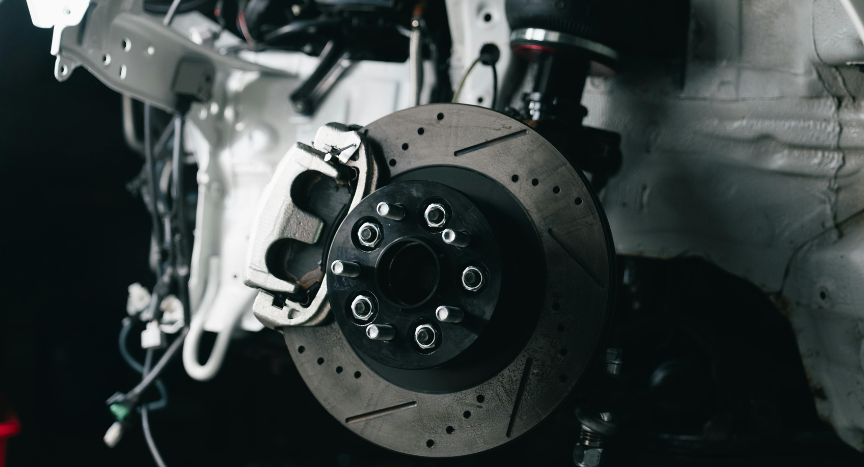
You are expected to understand how the air compressor, governor, air tanks, brake chambers, and slack adjusters work together. Questions are built around how pressure builds, when warnings activate, and how the system reacts when pressure drops. Many of these questions are tied directly to real pre-trip inspection steps.
What CDL air brakes test questions show up most often
Understanding the system makes repeated question types easier to recognize, even when wording changes.
| Question topic | What you need to know |
| Normal operating pressure | About 100 to 125 PSI |
| Low air warning | Activates before pressure drops below 60 PSI. |
| Pressure loss result | Spring brakes engage automatically. |
| Governor function | Controls when the compressor builds and stops the air pressure |
| Brake fade | Caused by heat, reducing braking effectiveness |
| Air pressure build test | Pressure rises from about 85 to 100 PSI within about 45 seconds. |
These questions reflect real system behavior, not isolated facts.
How does an air brake system work
An air brake system uses compressed air instead of hydraulic fluid. The compressor builds pressure and stores it in tanks. Pressing the brake pedal sends air through the system to apply braking force.
If pressure drops too low, the system is designed to fail safely. Spring brakes activate automatically to stop the vehicle. This design is a key concept that shows up in multiple test questions.
What inspection questions should you expect?
Inspection knowledge is a major part of the test because it reflects real-world safety checks.
You need to know how to perform an air leakage test, how much pressure loss is acceptable, and when warning devices should activate. If pressure drops too quickly during a test, it indicates a system issue that must be addressed before driving.
You are also expected to confirm that warning lights and buzzers activate at the correct pressure levels, since these provide early warning of system problems.
What causes most people to miss air brake questions
Most mistakes come from mixing up pressure numbers or not understanding how the system responds to changes. These questions often look simple but depend on accurate details.
Another common issue is memorizing answers without understanding the system. Since the test can change wording, understanding how components work together leads to more reliable answers.
Skipping inspection steps while studying also leads to missed questions, since many test questions are based on those checks.
How should you study for the CDL air brakes test?
Focus on understanding how the system works from start to finish. When you understand how air moves through the system and how each part functions, the questions become easier to work through.
Review your state CDL manual and use practice questions to reinforce concepts. It also helps to mentally walk through a pre-trip inspection while studying, so you connect the information to real situations.
Frequently asked questions
Q: What happens if you fail the air brakes portion of the CDL test
Failing this section results in an air brake restriction. This means you cannot operate vehicles with air brakes until you pass the test and remove the restriction.
Q: What score do you need to pass
Most states require at least 80 percent, although exact requirements can vary slightly.
Q: Do all CDL drivers need the air brakes test
No. It is required only if you plan to operate a vehicle with air brakes, but most commercial trucks use them.
Q: Are air brake questions the same in every state
The concepts remain consistent because they follow federal standards, but wording and format can vary.
Q: What should you focus on most
Understanding how air pressure builds, how it is used, and what happens when pressure drops is the most important part.
Passing the CDL air brakes test comes down to understanding how the system works and knowing what to check before driving. The questions are based on real situations, so the more familiar you are with the system, the easier it is to recognize the correct answers.
The Truck Drivers USA editorial team creates practical, driver-focused content covering industry topics, job trends, and real-world decisions that impact drivers at every stage of their careers. Each article is written to provide clear, accurate information that drivers can use.
Last updated: April 29, 2026