
Ask a group of drivers about truck parking and the conversation will usually turn toward the same locations. Certain freight corridors develop a reputation for being difficult places to find parking, while others seem to offer more flexibility despite carrying significant truck traffic.
The difference is not always tied to the size of truck stops or the number of rest areas along a route. In many cases, it starts with the type of freight moving through the region and the businesses generating that freight.
One Warehouse Is Rarely the Issue
A single distribution center can increase truck traffic in an area, but parking pressure usually develops when multiple facilities begin operating within the same market.
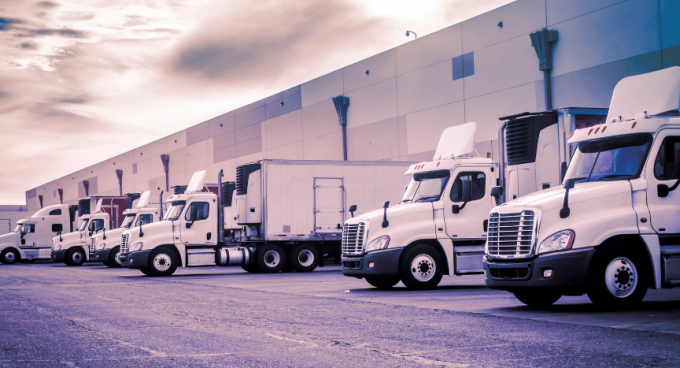
Many modern logistics parks include several large warehouses located within a few miles of one another. Trucks may be delivering to one facility, picking up from another, or waiting for an appointment nearby. Add food distribution centers, retail warehouses, and e-commerce operations to the same area, and truck activity can remain steady throughout the day.
Drivers arriving from outside the region often notice the result long before they reach a customer. Parking fills earlier, staging areas become crowded, and truck traffic remains heavier than expected.
Not All Freight Moves the Same Way
Compare a manufacturing corridor with a major distribution hub, and the differences become clear. Warehouse markets often generate large waves of arrivals and departures tied to appointment schedules. Manufacturing regions can look different. Freight may move between suppliers, plants, warehouses, and customers throughout the day, creating a more continuous flow of truck traffic.
Neither market is necessarily better or worse. They simply create different parking environments because freight moves differently through each system.
Why Ports Create Their Own Challenges
Drivers operating around ports are often working within a much smaller geographic footprint than drivers running long stretches of interstate.
Containers, terminals, rail connections, warehouses, and industrial facilities are frequently located within the same area. As a result, many trucks need to remain relatively close to specific facilities rather than continuing down the road to find parking elsewhere.
That concentration of activity can make parking feel limited even in markets that have multiple truck stops nearby.
Growth Can Change a Corridor Faster Than Expected
Some freight corridors look completely different today than they did a decade ago. New warehouses, manufacturing investments, logistics parks, and distribution centers continue to reshape freight markets across the country. Regions that once handled mostly local freight can become major transportation hubs within a relatively short period of time.
Parking infrastructure does not always expand at the same pace. As truck traffic grows, drivers may encounter parking conditions that no longer match what they remember from previous years.
Seasonal Freight Changes the Equation
Parking challenges are not always permanent. Agricultural regions provide a good example. During parts of the year, truck traffic may remain relatively predictable. During harvest periods, processing seasons, or major shipping windows, the same area can experience a noticeable increase in freight activity.
Retail freight follows a similar pattern in some markets. Activity often rises ahead of major shopping seasons as distribution networks work to move inventory where it needs to be.
For drivers who do not regularly run those corridors, the difference can be surprising.
The Parking Lot Usually Tells a Bigger Story
By the time drivers begin looking for parking, the factors influencing availability have often been developing for hours, days, or even years.
A warehouse project approved several years ago, a growing manufacturing sector, increased container traffic through a port, or a strong harvest season can all influence how many trucks are competing for space on a given evening.
That is why some freight corridors consistently feel more challenging than others. The parking lot itself is only one part of a much larger freight network.
The Truck Drivers USA editorial team creates practical, driver-focused content covering industry topics, job trends, and real-world decisions that impact drivers at every stage of their careers. Each article is written to provide clear, accurate information that drivers can use.
Last updated: June 17, 2026