

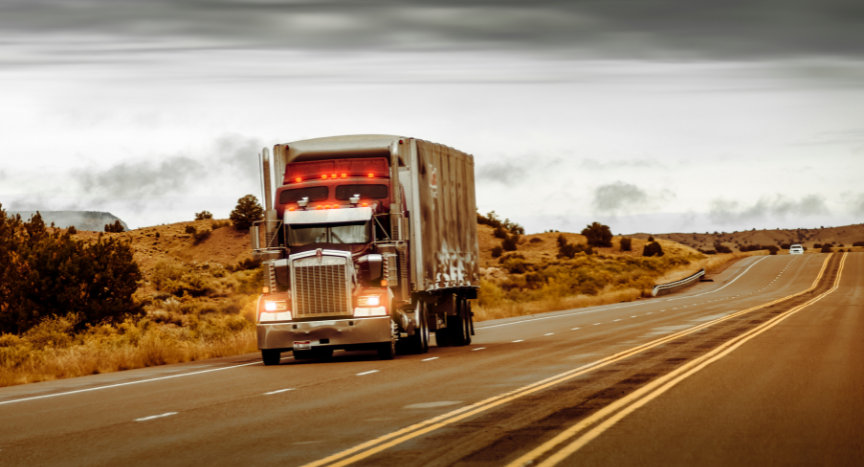
After enough time running unpredictable over the road (OTR) freight, a lot of CDL holders start paying closer attention to dedicated accounts with steadier schedules and repeat customers. These jobs are often viewed as some of the more stable positions in trucking, especially once experience starts building.
A dedicated freight route usually involves hauling loads for the same customer, warehouse network, or shipping lane repeatedly instead of constantly bouncing between unrelated freight and unfamiliar destinations.
Some accounts keep operators local or regional with several nights at home each week. Others still involve long haul schedules but provide more consistent appointment times, repeat delivery locations, and familiar freight patterns.
The biggest advantage is usually predictability. Familiar customers, repeat routes, known procedures, and steadier scheduling can make daily operations feel far less chaotic over time.
Why Dedicated Freight Appeals to Experienced Operators
A large part of the appeal comes from consistency. Dedicated operations often create more structure than standard OTR freight. Over time, operators become familiar with warehouse procedures, traffic patterns, fuel stops, delivery expectations, and parking options along the route.
Retail chains, grocery distributors, manufacturing networks, and warehouse systems commonly rely on recurring freight movement because shipments move on fixed schedules throughout the week.
These jobs can also reduce some of the stress that comes from constantly adjusting to unfamiliar shippers and changing dispatch instructions every few days.
For operators trying to balance steady income with more predictable home time, dedicated freight often becomes far more appealing than constantly chasing different loads across changing markets.
Landing One Usually Requires Patience and Reliability
Not every opening is available immediately after CDL school. Some carriers require previous experience, clean inspection history, winter driving familiarity, or strong customer service skills depending on the account involved. Specialized operations, retail deliveries, and tightly scheduled freight networks often carry stricter expectations than general OTR freight.
At the same time, certain companies do place newer CDL holders into entry level positions if freight demand is high enough and training support is available.
Safe driving habits, strong communication, clean inspections, and reliability usually matter heavily when carriers decide who receives stronger route opportunities internally.
A lot of companies also offer these openings to current employees before publicly advertising them, which is why long-term company operators often gain access to the better schedules first.
The Work Is Not Automatically Easier
More predictable scheduling does not always mean lighter workloads. Some accounts involve overnight driving, difficult backing situations, touch freight, multiple delivery stops, or repeated runs through crowded metro areas with strict appointment schedules.
Other operations may require unloading freight, operating in heavy traffic daily, or dealing with physically demanding freight despite offering steadier schedules overall.
Still, plenty of experienced operators prefer these positions because the routine becomes easier to manage than constantly adapting to unfamiliar customers and changing dispatch patterns every week.
The strongest long-term opportunities usually balance steady freight, manageable scheduling, stable miles, reasonable home time, and reliable operational support from dispatch and fleet managers.
Frequently Asked Questions
What is a dedicated freight route?
A dedicated route usually involves hauling freight for the same customer or shipping lane on a recurring schedule.
Do these jobs pay more than regular OTR freight?
Some accounts offer higher pay while others focus more heavily on predictable scheduling and steadier home time.
Can new CDL holders qualify for these routes?
Some entry level opportunities exist, although many stronger accounts require previous driving experience.
Why do experienced drivers pursue these positions?
Repeat routes, steadier schedules, familiar customers, and more predictable dispatch patterns are some of the main reasons these jobs become appealing over time.
Are these routes local or OTR?
They can be local, regional, or long-haul depending on the customer and account structure.
Over time, dedicated freight often becomes more attractive than constantly chasing different loads across unpredictable markets. The right opportunity usually depends on the type of schedule, workload, and home time an operator wants long term.
The Truck Drivers USA editorial team creates practical, driver focused content covering industry topics, job trends, and real-world decisions that impact drivers at every stage of their careers. Each article is written to provide clear, accurate information drivers can use.
Last updated: May 18, 2026